Summary
Routine security sweeps prevent problems before they happen. In Austin, where businesses and communities are growing quickly, unarmed security officers play a key role in identifying hazards, monitoring access points, and reducing liability. By taking a proactive approach, organizations can improve safety, avoid costly incidents, and operate with confidence.
Security is often seen as a response to problems. However, the most effective security strategies focus on prevention.
In Austin’s fast-growing environment, routine security sweeps are a key part of risk management. These sweeps identify issues early, reduce accidents, and create safer spaces for everyone.
Identifying Safety Hazards Early
One main goal of a security sweep is to find risks before they become real problems.
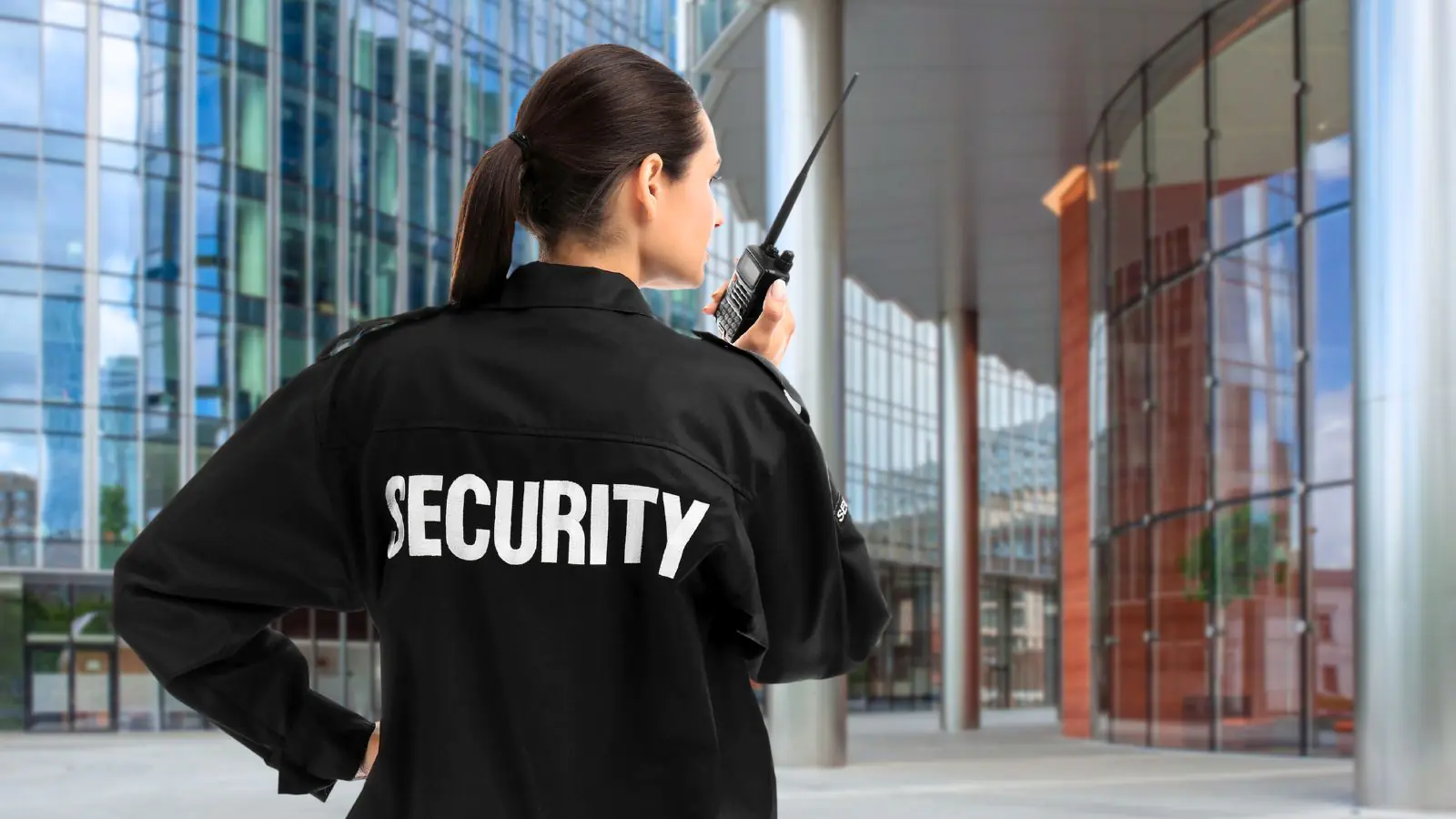
Unarmed security officers regularly walk through a property to check for hazards such as:
- Wet floors or spills
- Blocked walkways or exits
- Damaged equipment or infrastructure
- Poor lighting in parking areas
Spotting these issues early lets businesses fix them before someone gets hurt.
According to the Occupational Safety and Health Administration (OSHA), identifying hazards early is one of the most effective ways to prevent workplace injuries. This simple step can reduce both safety risks and financial losses.
Monitoring Access Points
Another key part of routine security sweeps is monitoring who enters and leaves a property.
In busy areas like office buildings, apartment complexes, and construction sites in Austin, access control is critical. Unarmed security officers help by:
- Checking doors and entry points
- Ensuring only authorized individuals enter restricted areas
- Observing unusual behavior
- Reporting suspicious activity
This awareness helps prevent theft, vandalism, and unauthorized access. It also creates a safer environment for everyone on site.
Preventing Accidents and Liability
Accidents can happen anywhere, but many are preventable. Routine security sweeps reduce the chance of incidents that could cause injuries or legal issues.
For example:
- A blocked emergency exit could create a serious risk during a fire
- A broken lock could allow unauthorized access
- Poor lighting could lead to trips or falls
Addressing these risks early lets businesses lower liability and avoid costly claims.
A Proactive Approach to Security
Routine patrols are not just about checking boxes. They are about creating a culture of safety.
Unarmed security officers provide:
- Consistent monitoring
- Clear reporting of issues
- Immediate action when risks are found
This proactive approach lets organizations move from reacting to problems to preventing them altogether.
Why This Matters in Austin
Austin continues to grow rapidly. As more businesses, residents, and visitors enter the area, the need for strong safety practices is increasing.
Routine security sweeps offer a simple and effective way to:
- Protect people and property
- Support daily operations
- Reduce long-term risk
For many organizations, this approach improves both safety and operational efficiency.
Security is most effective when it prevents problems before they happen. Routine security sweeps give businesses the tools to identify risks early, monitor activity, and maintain safe environments.
In a growing city like Austin, taking a proactive approach is essential for long-term success.
Security Sweeps Frequently Asked Questions (FAQ)
What is a security sweep?
A security sweep is a routine check of a property to identify safety risks, hazards, or suspicious activity.
How often should security sweeps be done?
This depends on the location, but many properties benefit from daily or hourly patrols.
What types of risks can security sweeps prevent?
They can help prevent accidents, theft, unauthorized access, and safety violations.
Are security sweeps only for large businesses?
No. Offices, apartments, retail stores, and construction sites can all benefit from routine patrols.